
Welcome back to The tour guide’s English tea break, the new monthly blog that gives you the chance to relax with a tea or coffee, find out about fascinating locations from around the world, and practise useful English that you can use on your guided tour.
You can sign up to enjoy your monthly Tour guide’s English tea break for just 4€ a month.
This time we are going to find out all about an astonishing monastery that was built into the side a mountain in northern Spain, and we’ll learn English for talking about conflict and instability on your tour.
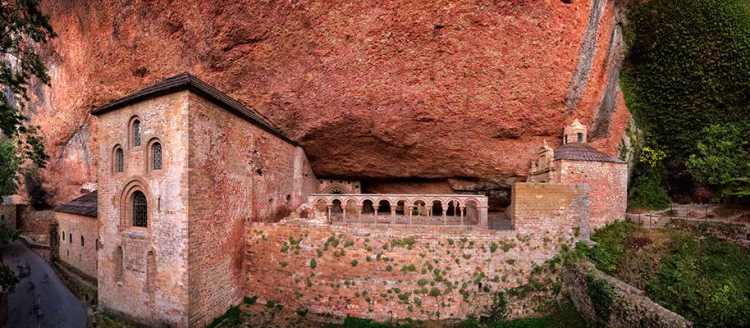
Which legend is this monastery connected to, and why was it built into a rock-face in the first place? Let’s find out!
Welcome to the Monastery of San Juan de la Peña, a place where history, faith, and legend intertwine. Tucked beneath this dramatic rock overhang, the monastery is not just a marvel of architecture but a symbol of Aragón’s resilience and the wider history of Spain.
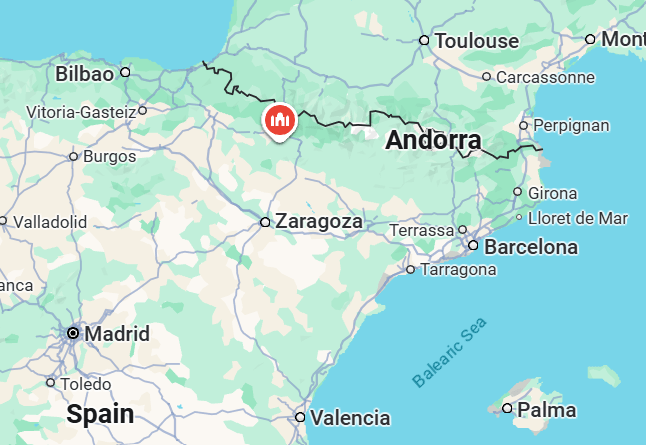
The story of this monastery begins in the 9th century, during one of Spain’s most transformative periods—the Moorish invasion. As Islamic forces swept through the Iberian Peninsula, small Christian kingdoms in the north, like Aragón, became bastions of resistance.
This secluded location made the monastery an ideal refuge, both for monks seeking a life of devotion and for a culture striving to preserve its identity. It’s a powerful reminder of the Reconquista, the centuries-long struggle by Christian kingdoms in northern Spain to reclaim their land and re-establish their faith after much of the Iberian Peninsula fell under Islamic rule following the 8th-century Moorish invasion.
You may notice how the structure merges seamlessly with its environment, almost as if it grows out of the rock itself. This was not just for protection from invaders—it was also symbolic. The integration with nature reflects the monks’ humility and their belief in a spiritual connection with the world around them. This design speaks to the medieval mindset, where religion and daily life were deeply intertwined.
The cloister, with its carved capitals, tells stories of biblical scenes and local legends, one of the most famous being the connection to the Holy Grail. While historians debate the truth of this claim, the legend itself underscores the monastery’s spiritual importance. Pilgrims travelled here, believing it to be a sacred site, and in doing so, they reinforced Aragón’s place as a cultural and spiritual hub in medieval Spain.
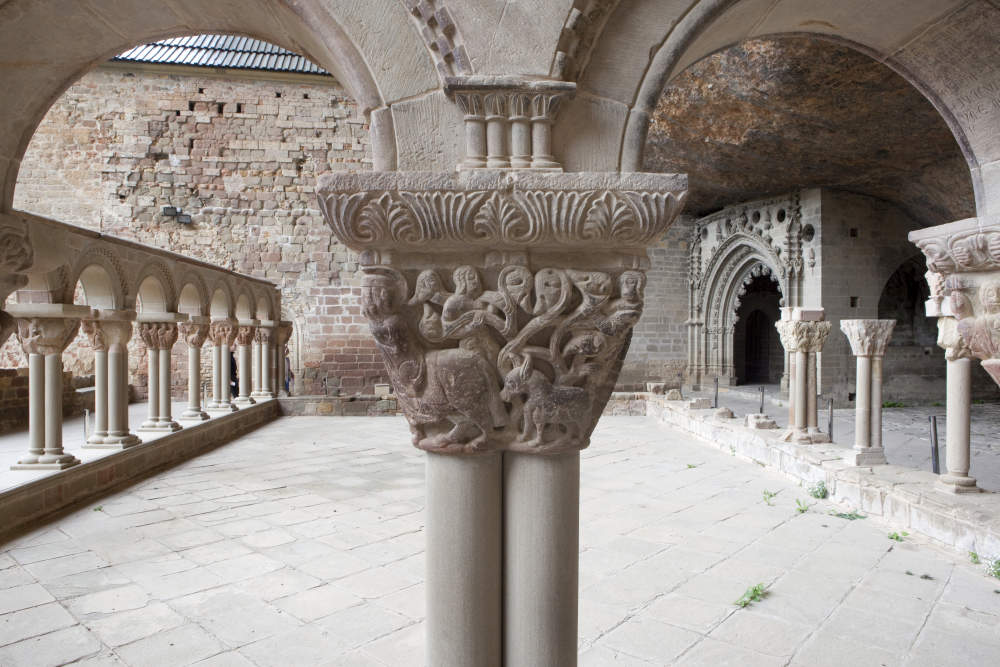
This brings us to the Royal Pantheon, where early Aragonese kings are buried. Their presence here is no accident. It reflects the close relationship between church and crown, a defining feature of Spanish history. The monarchy relied on religion not only for legitimacy, but also to unify the diverse peoples of the region under a shared faith and identity.
But the monastery is also an early example of cultural exchange. During the medieval period, Spain was a land of coexistence—and conflict—between Christians, Muslims, and Jews. If you look closely, you’ll see subtle traces of Islamic art in the monastery’s decorative patterns, a reminder of the complex, interconnected history of the Iberian Peninsula.
Today, the monastery stands as a monument to Aragón’s heritage and Spain’s evolution—from a divided land of competing kingdoms to a unified nation. The fact that it has survived centuries of upheaval, including its partial destruction by fire, reflects the enduring spirit of this region.
So, we can think about this incredible place as more than just a historical site. It’s a mirror of Spain itself—shaped by conflict, faith, and the determined pursuit of identity.
What do you think?
- If you visited the Monastery of San Juan de la Peña, what aspect of it would you be most interested to see?
- What do you think we can learn from the way the monastery is integrated into it’s natural surroundings?

Let me know what you think in the comments below. I’d love to hear from you.
Useful English: Conflict and Instability
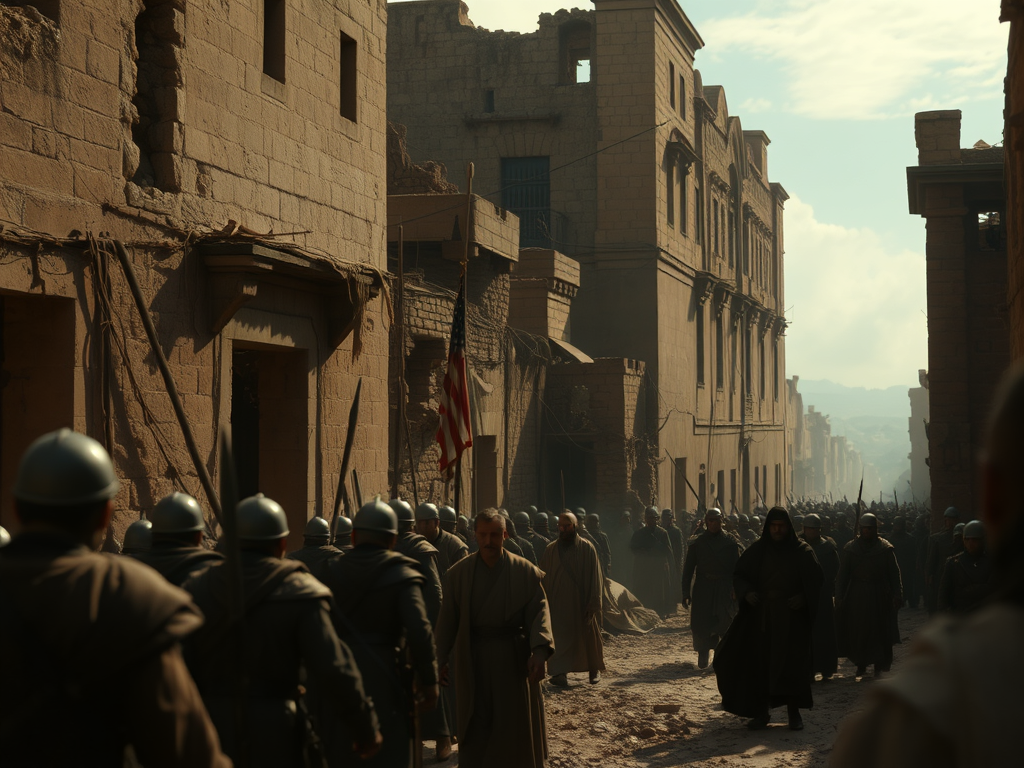
On walking tours it’s often important to talk about historical conflict and instability such as wars, invasions, and revolutions. This text includes a lot of useful language about this theme.

Subscribe to continue reading
Become a paid subscriber to get access to the rest of this post and other exclusive content.
 Nick Swerdlow