The way we do exercise gives us a useful insight into how to improve our English.
I decided to repost this article because I’ve noticed that more and more of the English learners that I speak to have the same fundamental difficulty: they don’t have enough time to study English! In our busy lives this is very understandable.
The solution is to do more in English so that it becomes part of your daily routine and to manage your time so that you know when you are free to practise your English. However, it’s easier said than done, so here are some ideas on how to organise your language learning more effectively.
Learning a language can seem like a long road with an uncertain outcome at the end, which can make it difficult to know where to start. However, as an English teacher that enjoys running, I’ve found that there are a lot of similarities between the way we stay fit and the way we learn languages, so what can we learn from the world of exercise?
Getting started
Have you noticed that when you have a break from doing exercise for any reason, it can be difficult to get back into a routine of exercising regularly? I know from my own experience that getting started with an exercise routine is much harder than keeping it going once it has become part of your normal week.
Practising English is a bit like that. Getting into the habit of practising English regularly isn’t easy, but once you build up momentum and you can see your progress, it’s a lot easier to keep going.
So how do we get into the habit of practising our English regularly? Well, there’s a lot that we can learn from the way we do exercise.
Planning ahead

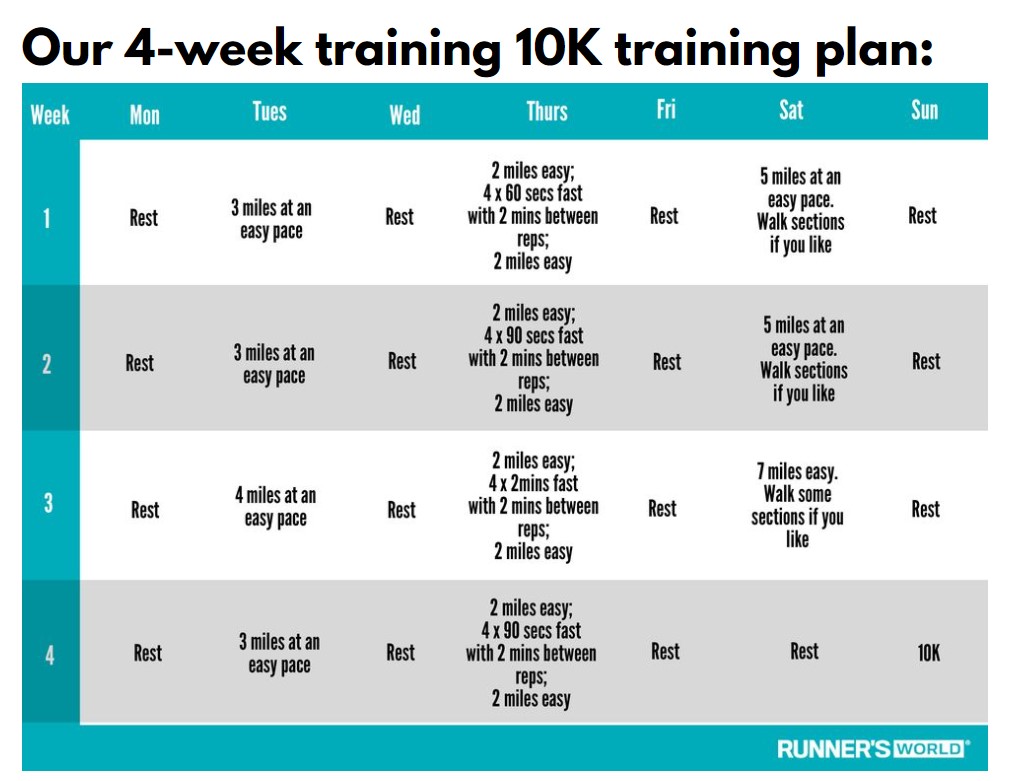
Do you have any exercise goals? I’d like to get back to running 10 kilometres without having to stop now and then to catch my breath. To do that I need to go for a run more than once a week and build up the distance that I run over time. Whether you’d like to cycle further, lift heavier weights, or get to the next level of your exercise routine, you also need to plan when you are going to do exercise, and what you’re going to do.
I’ve tried not planning ahead and the result was simple: I didn’t do any exercise because other things got in the way!
To improve your English you need to plan ahead in a similar way. Try thinking about these questions when you plan your English practice:
- How often are you going to practise your English? – Have a look at your diary for your next week. Think about when you can fit English practice into your day. Try to be realistic with yourself.
- How long are you going to practise your English for? – A bit like exercise, practising English can take varying lengths of time depending on what you plan to do. For example, reviewing your flashcards or your language-learning app might only take 10 minutes and fit neatly into your lunch break. Try to break your English practice into manageable chunks of time so that you don’t lose concentration.
- When are you going to practise your English? – Look at your diary. When do you have time to practise English? Also think about how you normally feel at different times of the day. If you are a morning-person, perhaps you can fit in English practice before work. If you always feel tired after work, you might need a break before practising your English.
- What if something comes up? – It’s incredibly easy to do. You have the best of intentions to spend some time practising your English, and then something comes up. Maybe your boss asks you to work, or your friend calls to chat because they have a problem. In the end, it’s difficult to say ‘no’, so try to have a substitute time when you can practise your English instead, just in case something comes up.
- What are you going to practise? – Deciding what to practise isn’t as easy as it sounds. Try making lists of
- things you find difficult to do in English
- things you need to do in English
- things you want to be able to do in English
Reviewing what you’ve learnt is a good idea, but try to practise a range of different English skills during the week.
Now try to write a plan of what you are going to do in each of your exercise sessions during the week. You can use a diary, but I find that an online calendar like Google Calendar works well for this because you receive reminders.
You don’t have to go to the gym to lead an active lifestyle

As wonderful as going to the gym is, there are other ways to stay active. You can fit activity into your daily routine by cycling to work for example.
Similarly, you can also make English part of your daily routine. Just like you swap your car for your bike, you can also start to do some of your daily activities in English instead of your own language. Here are some examples:
- Staying in and watching TV: Try watching something in English with English subtitles if you like. These days streaming services like Netflix make this a lot easier. If you find it tiring to watch a full film in English, then watch shorter episode of a TV show. Films and TV series can be difficult to follow, so you might like to try a TV show that you’ve seen before in your language, or one with a more predictable format where the pictures help you to understand what is happening.
- English for work: If you need to improve your English for your job, try watching English videos online related to your work so that you can learn the professional English that you need.
- Having a chat with friends: Get in touch with someone you know who doesn’t speak your language. If it’s difficult to think of someone suitable, you might like to look for someone on social media whom you can practise speaking English with. You could help them to practise speaking your language in return.
- Use the internet in English: Try changing your language settings to English for your computer, Google, and your favourite websites. Next time you buy something on Amazon, you could read about the product and check the reviews in English!
And don’t forget these are learning opportunities, so try to make the most of them. After you’ve finished watching TV, find out what that phrase that you didn’t quite understand means, and how you can use it. When you talk to someone in English, try to use that new expression that you learnt recently. Their reaction will help you understand whether you are using it correctly.
Give yourself a goal!

A few years ago I used to run 10km in under 50 minutes, so I’m aiming to get back to doing 10km runs in those kinds of times. Having a goal helps me in a few different ways.
Motivation: It’s motivating because you have a clear and precise idea of what you want to achieve, and you know when you’ve achieved it.
- Steps: If you have a goal, you can then decide what steps you need to take to achieve it
- Reflection: Having a goal allows you to reflect on what progress you have made so far to achieve it. It is difficult to do this if you don’t know what you are aiming to achieve.
What makes a good language-learning goal?
The problem with a general goal of improving your English is that, unlike timing a run, it’s almost impossible to say when you’ve achieved it. Think about these questions; How much do you want to improve your English by? What will your English look like when it has improved? How will you know when you’ve got to this point?
You might decide that you want to learn 20 new words each week. This goal is a bit easier to measure, but has nothing to do with how you would like to use your English. Think about why you want to improve your English in the first place. What would you like to be able to do with your English that would help you in your life? Now try to make goals based on that. Here are a few ideas of clear goals that relate to our lives to help you think about what you’d like to achieve with your English:
- Making a presentation in English at work and respond to questions about it
- Watching your favourite TV show in English without following the subtitles
- Taking part in a group conversation in English following the conversation and participating appropriately
I’m sure you can think of English goals that relate to your life. Whatever they are, try to make them as clearly defined as possible so that you know when you have achieved your goal. Once you have a goal, work backwards and decide what steps you need to take to achieve it. Set your self short-term goals to help you on your way.
Sometimes it helps to talk about your English goals and how to achieve them. I’ have a lot of experience of helping language learners to develop their English to make the most of their opportunities, and I would love to hear about why you would like to improve your English.
How can I help you?

If you’d like to make your English tour more engaging, then let me tell you about Improve your English tour as you work, an English course especially for busy tour guides.
Why Improve your English as you work?
Many tour guides that I’ve met find it difficult to get their tour groups engaged and interested on their guided tours in English. As a teacher, I understand the importance of knowing that your group have had an interesting experience and have learnt something new.
Improve your English tour as you work is an English course that helps you to give interesting tours in English that your tour groups feel involved in.
Busy?
I know you’re busy, so Improve your English tour as you work fits into your working week by combining supported learning in your own time with 1-to-1 sessions with me to prepare your English tours and learn from them afterwards.
Where can I find out more?
You can find out more on my website or book a time to have a chat with me. It would be great to speak with you.
Start learning for free!
The best way to know if a course is right for you is to try it, so here is a free lesson from Improve your English tour as you work so that you can see for yourself.


 Nick Swerdlow