
This is the first of a series of blogs on how to use technology to improve your foreign language skills. I will talk about English as a foreign language, but the ideas could be applied to learning other languages.
Where to find something to read, listen to, or watch

What do you read, listen to, and watch in English? As an English teacher and a learner of Italian I have come to realise the importance experiencing new language through reading and listening. Learners sometimes ask me what they should read or listen to in English in their own time. Fortunately, thanks to the internet, when it comes to language learning, and especially learning English, there is a huge amount of material out there to keep us going. Opportunities for reading and listening basically fall into three categories.
- Mainstream: This is reading and listening material that is intended for native speakers such as books, newspapers, magazines, TV shows, and online videos on websites like Youtube and TED Talks. As there is so much out there to read, watch, and listen to, you can be sure to find something that you are interested in, which matters because you have to be motivated to continue reading and listening in another language. Although this kind of content can be challenging depending on your level of English, the internet makes the task of reading and listening slightly more manageable. These days nearly all of this content can be found online with the advantage that videos come with subtitles, and you can now listen to some online texts while you read them, which is very useful for pronunciation. Youtube also allows you to slow down a video if you feel that it is a bit too fast to follow. Additionally, it can be difficult to focus on something in a foreign language for as long as you could do in your own language, so consider trying blogs, vlogs (video blogs), and short documentary videos such as the ones on BBC Ideas, which provide a good source of shorter listening material to give you five to ten minutes of English.
- Simplified: You can also find things to read, watch or listen to which are intended for language learners. They are slightly easier to follow than mainstream publications, and are usually organised by level. For example, graded reader books are simplified versions of well-known novels that range in difficulty from elementary (A1) to Advanced (C1), meaning that you can find a book at your level. Books like these are available to buy, but are also available as audio-books online, so that you can listen while you read. English e-reader is one site which offers free graded reader books with a summary of the story, and a list of difficult words in the book. When choosing a level to read at, avoid the temptation to choose a book that is higher than your own level of English. The aim is to understand difficult words from their context, instead of needing to use a dictionary all the way through. After all, you should enjoy reading! Simplified things to watch are also available. The BBC has produced a simplified drama series and a series of short audio programmes on various topics, both of which are intended for language learners.
- Language and skill focused: Reading and listening to English will help you to understand which aspects of your language skills need improvement. Once you have identified an area of English you want to focus on, you may like to find some material that will help you to practise it. For example, perhaps you have noticed that you struggle to follow group conversations at work, and you would like to improve this aspect of your listening. There are a lot of websites that offer reading and listening practice that focuses on specific skills or specific aspects of language. These include British Council Learn English, which provides language skills practice at different levels as well as grammar and vocabulary activities. These days, there are so many websites, videos and apps focused on one aspect of English or another that it can be difficult to know where to start. My advice is to think about what you want to learn before you start looking on them. Try to notice when you find it difficult to do something in English (or your target language) and think about what type of language or language skills would help you.
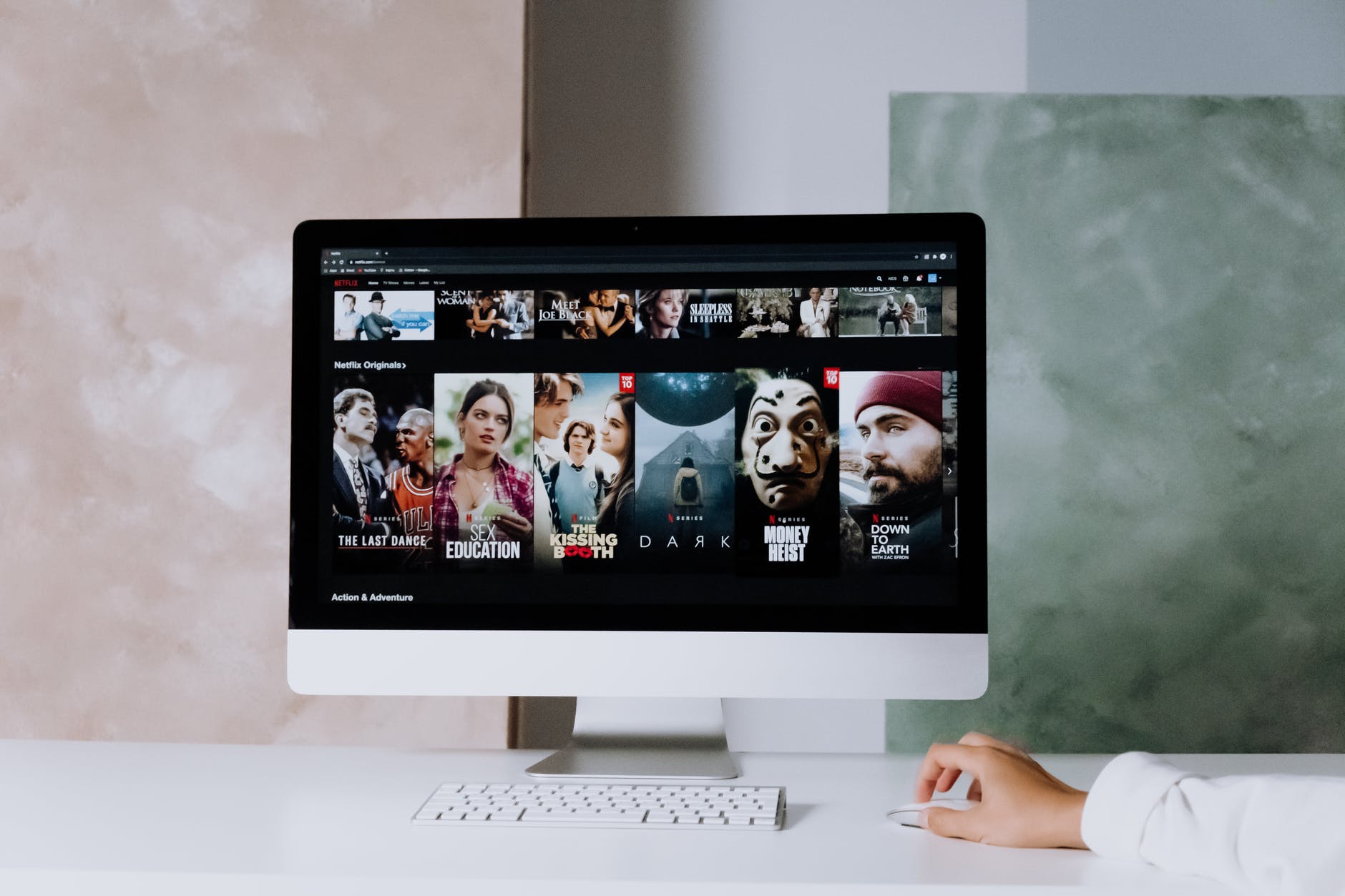
Choosing the right thing for you to read, listen to or watch will help you to stay motivated and keep going with it, so think about these questions when you choose something in English
- What type of thing do you enjoy or find interesting?
- Do you know much about the topic already? – It’s easier to follow something that you know something about.
- Will you mind if you don’t understand everything? – If you mind that feeling of not understanding, mainstream media and books may frustrate you.
- What is your main aim in reading or listening? – Enjoyment, developing skills, broadening your vocabulary generally, or learning something specific?
- How long would you like to spend reading or listening? Choose something that you can focus on and fit into your day regularly.
I hope this blog has given you some ideas. Let me know what you have been reading, listening to, or watching in English or your target language.

If you would like some help to improve your English, send me a message at nji.swerdlow@gmail.com, or find out more about English classes at https://nick-teaches.com.
 Nick Swerdlow
One thought on “Picking up new language 1”